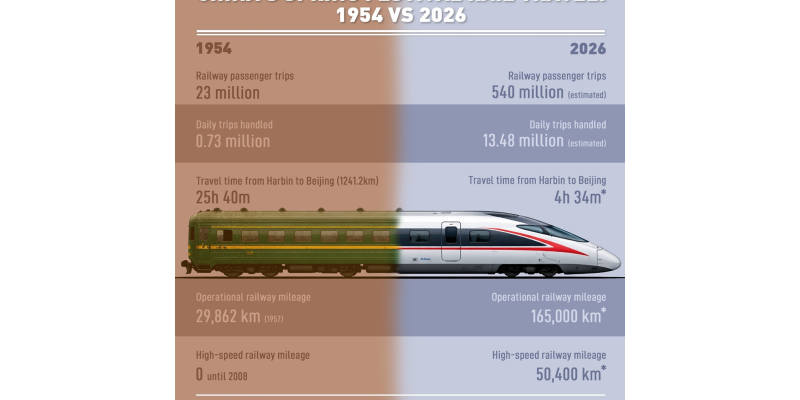
The raw figures tell a story of transformative growth. In 1954, the 140 million rail trips represented a nation in early recovery, with limited infrastructure and a predominantly rural population. The projected 2026 figure of 540 million trips reflects a China that is urbanized, connected, and on the move.
This year’s Spring Festival travel rush is projected to reach record levels, with around 9.5 billion passenger trips across road, rail, and air transport. Rail and aviation volumes are both hitting historic highs, supported by China’s expanding transport infrastructure and regional connectivity.
At the consumer level, Lunar New Year is no longer only about family reunions and hometown visits. Younger urban consumers are increasingly choosing destination travel, city-based celebrations, themed tourism, and experience spending. This creates powerful demand windows for brands positioned around leisure, premium experiences, wellness, gifting, and digital services.
Operationally, this period highlights the importance of local inventory strategies, regional warehousing, diversified supplier networks, and China-based decision-making autonomy. Companies relying on long, centralized supply chains continue to face higher vulnerability, while localized operations gain resilience.
China’s Lunar New Year is not a “slow season” — it is a strategic planning benchmark. It shapes supply chains, demand forecasting, marketing calendars, workforce planning, and investment logic.
Where can your business localize faster, build seasonal demand models, and turn cultural momentum into sustained commercial advantage in the world’s most dynamic consumer market?